The Best GoGuidebook Alternatives
The best GoGuidebook alternatives: the static-versus-live content question, six guest guide options compared side by side and a weekend switching plan.
 By Daniel Foster6 min read
GoGuidebook occupies the guest-guide category's straightforward middle: a tool for building and sharing digital guidebooks without fuss, which is exactly what many hosts wanted when they chose it. Alternatives searches from here usually track the category's own evolution — the frontier has moved toward living content (place data that updates itself, widgets that act rather than describe) and toward friendlier entry pricing, and hosts periodically check whether their straightforward tool has kept pace or whether the field now offers more for the same effort, or the same for less money. Here's that check: the static-versus-live question that defines this generation of the category, the criteria for any replacement, six alternatives compared side by side — WelcomeFlo included — and a weekend switch plan.
The static-versus-live question: the category's current dividing line
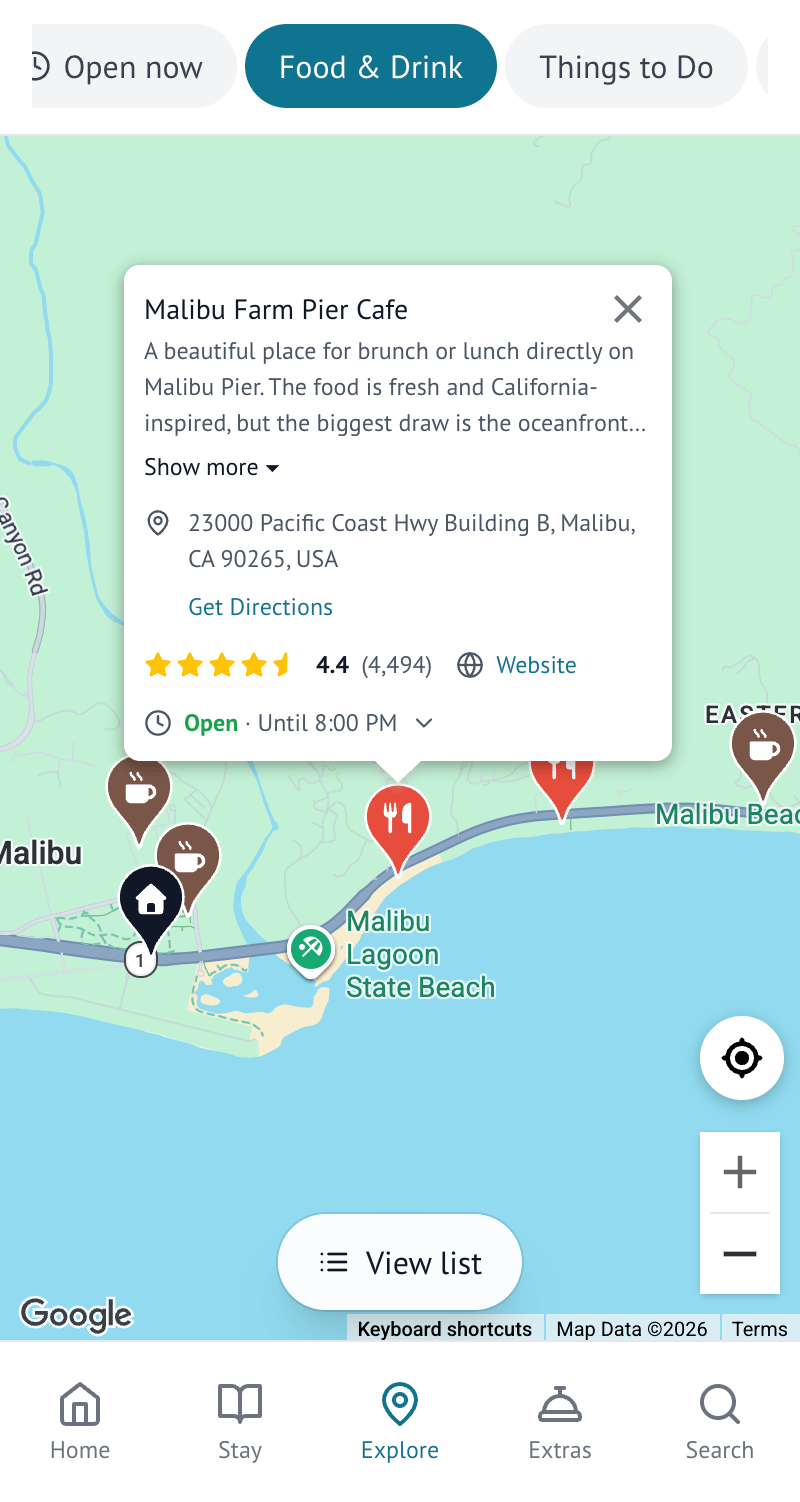
Guidebook tools now split along one axis more consequential than any feature list: whether the guide's content is static (text and images you wrote, aging from the moment you saved them) or living (data that maintains itself). The divide matters most in two sections. The local list: a static restaurant entry is right until the hours change or the place closes — and stale recommendations spend trust at the worst moments — while a live entry carries current photos, hours, ratings and directions without you touching it, converting the guide's highest-maintenance section into its lowest. The action widgets: static text describes ("the Wi-Fi password is...") where widgets act — tap-to-copy credentials, live weather, check-in flows structured for a kerb rather than a reader. The evaluation question this page's readers should carry: how much of your guide's ongoing effort — and its guest-felt quality — sits in exactly those two sections? For most hosts the honest answer is "most of it", which is why the static-versus-live line, more than any brand comparison, should shape the shortlist.
The criteria for the replacement
The seven separators: guest-side experience — instant, app-free mobile web from a message link; the arrival flow — photographed steps readable at a kerb; the widget layer — tap-to-copy Wi-Fi and live weather as defaults; live local data — the dividing line above, weighted to your guests' recommendation reliance; whole-guide search — the 11pm question-answerer; update ergonomics and link stability — instant edits, one permanent URL, QR codes that never reprint (the delivery foundation); and pricing shape — free-tier honesty and per-property maths at your count.
Alternative 1: WelcomeFlo
WelcomeFlo was built on the living side of this dividing line on purpose. The case: guests get fast, app-free mobile pages from one stable link or QR; the widget layer ships as defaults — tap-to-copy Wi-Fi, live weather, structured house and arrival sections with photos at every step; the Explore tab attaches live Google place data to your defended local list — photos, current opening hours, ratings and directions that update themselves, permanently; whole-guide search covers the rest. Edits ship instantly to the permanent link, so the QR in your frame never reprints. Portfolio hosts get the Content Library's shared-content architecture on Pro (up to 25 guides, US$19/month). And the entry maths leads the category: one complete guide, free forever — full widgets, live data, branding and QR included — which makes testing the living-content difference on your own property cost precisely nothing. Best fit: hosts whose evaluation concluded the local list and widgets are where their guide's effort and value concentrate — which is most hosts, most of the time.
Alternatives 2–6: the field
Touch Stay — the standalone category veteran, with a Content Hub for tagged, shared content across properties; the established name on most shortlists. See our Touch Stay comparison for a full pricing and feature breakdown.
Hostfully Guidebooks — guidebooks bundled inside a broader PMS-adjacent product. As of its current pricing page, a single free guidebook is available, with paid tiers from roughly $9.99/month (Power Host) up to $75/month (Professional), plus a per-guidebook rate near $7.99–9.99/month at volume. Right for hosts already evaluating Hostfully's PMS side; weigh the standalone-versus-ecosystem question first, since guidebook depth is one piece of a larger platform rather than the sole focus.
Guidey — a simplicity-first, lower-cost option built around a fast setup and few decisions to make.
SmoothStay — a fellow newer-generation, AI-forward entrant: a free single-guide starter plan (no credit card) and paid plans running up to roughly $295/year that add an AI Concierge and a guest-registration widget capturing email, phone, language and marketing consent before the guide even opens. Worth a look specifically if guest contact capture is a priority.
BetterSTR — a free-forever guidebook with unlimited properties and native PMS auto-sync from 13+ systems (Hostfully, Hospitable, OwnerRez, Cloudbeds and more), monetised through metered add-ons (AI chat, SMS, custom domain, ID verification) rather than a subscription.
The DIY floor — the free document: workable, costless, and paying the staleness tax that the living-content generation exists to abolish; with free purpose-built tiers available, its rational niche keeps narrowing.
Switching without disruption: the weekend plan
Saturday morning: the section-by-section rebuild — copy-paste plus improvement, two hours for a typical guide, doubling as the content audit that fresh eyes always perform (expect to retire a stale café and upgrade three thin entries; everyone does). Saturday afternoon: the living layer configured — each local entry attached to its live place data, widgets checked, brand applied. Sunday: the delivery swap — the permanent link into scheduled messages and the listing, the QR reprinted once (the last reprint it will ever need), the kerb-test run on your own phone at dusk. Old link overlaps one changeover cycle; no mid-stay guest notices anything except the local list gaining photographs. A weekend, all in.
Running the evaluation
Incumbent plus two candidates; rebuild the check-in section and five real local entries in each — this migration's evaluation lives in the local list, so test exactly there; open everything on your phone as an arriving guest; score the seven criteria. Then run the dividing-line test directly: check one restaurant's opening hours in each tool against reality today, and ask which version will still be right in six months without you touching it. That single question, answered honestly, usually ends the evaluation.
What static content costs over time
The static-versus-live divide is easiest to see as decay rather than a feature. A typical static local list starts accurate — a dozen entries, each with a personal line and an address. Within a few months, the pattern is familiar: a café quietly changes its hours and a guest turns up to a closed door; a favourite spot shuts down and the host only learns from a guest's message weeks later, because nobody audits their own guide on holiday-let timescales. Each fix takes minutes once noticed, but the noticing lags — sometimes for weeks, always after a guest has already hit the stale entry. Live data changes what lags: an hours change or a closure on Google reaches the guide the same day, the host's own written lines stay untouched on top, and the maintenance work that used to be an occasional audit becomes nothing at all.
The bottom line
The category's real dividing line is static versus living content, and the evaluation belongs exactly where your guide's effort concentrates: the local list and the everyday widgets. Run the seven criteria, rebuild real sections, and ask which tool is still right in six months untouched. WelcomeFlo's answer — live data and acting widgets as free defaults — is checkable on your own property tonight.
Create your digital welcome book
Build a beautiful mobile guest guide with WelcomeFlo.