Airbnb Photography Guide: Photos That Help Win More Bookings
The Airbnb photography guide: cover images that earn clicks, the shot list that walks the stay, light and staging rules, and phone-camera technique that works.
 By James Mitchell7 min read
Photos are the highest-leverage marketing asset a listing has — they gate the click, they carry most of the conversion decision, and unlike every other asset they're consumed before a single word is read. They're also the asset hosts most often get nearly-right: decent photos of every room, taken on a grey Tuesday, in the wrong order, with the best fact of the property buried at position eleven. The distance from nearly-right to bookings-winning is technique, not equipment — a modern phone plus the rules below beats a good camera pointed casually.
This guide covers the cover image (the click's whole story), the shot list that walks the stay, light and staging rules, phone technique, and the ordering-and-captions layer most hosts skip entirely.
The cover image: one photo, most of the outcome
The cover is a thumbnail in a scrolling grid — it wins or loses in half a second against a dozen neighbours. Its rules are its own:
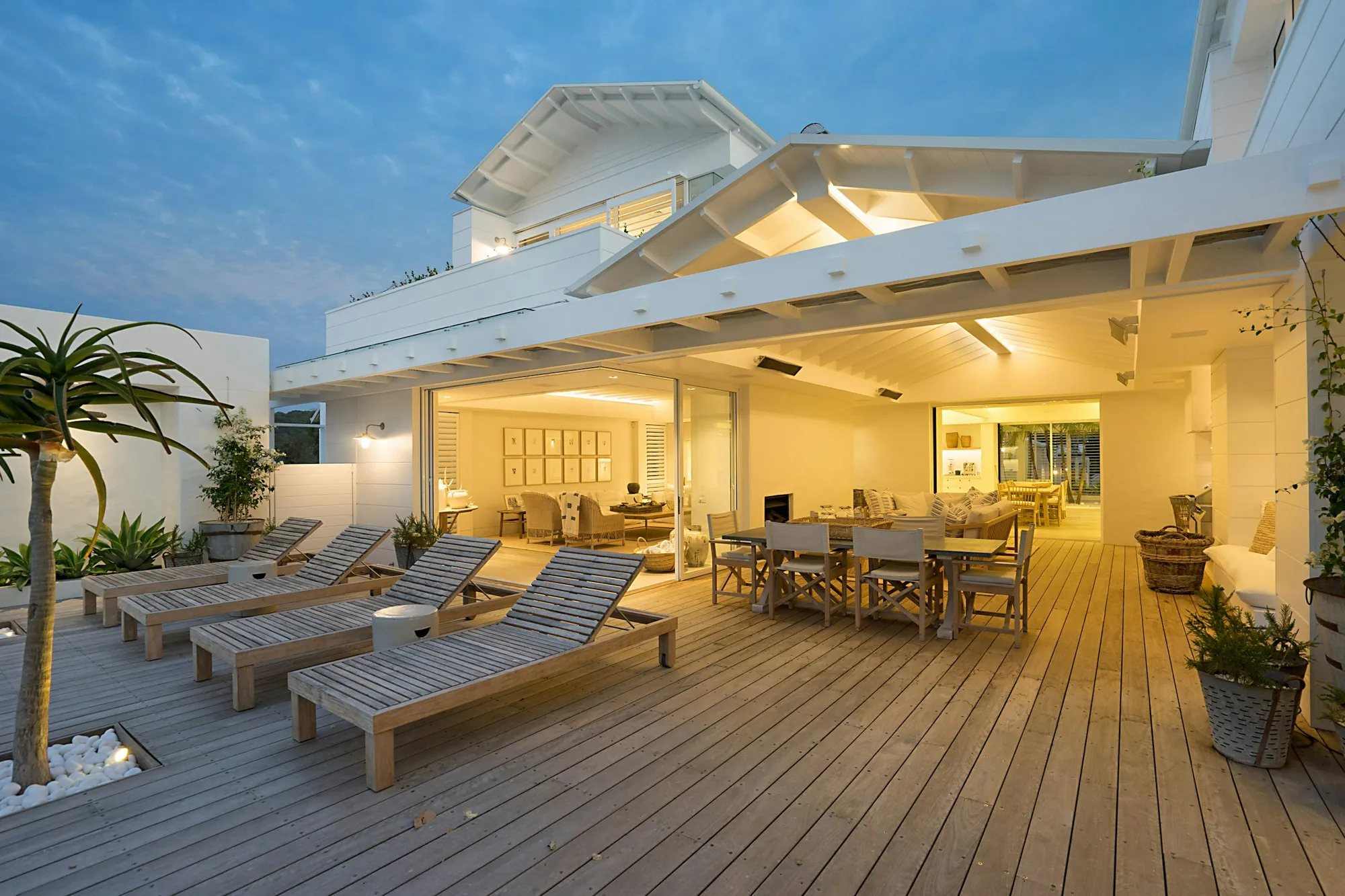
Lead with your single most desirable truth. Not the "best room" — the bookable moment: the hot tub steaming at dusk, the bed facing the sea, the golden-hour exterior with lights glowing, the table set under the vines. Ask what your market covets and your competitors' grids lack; that's the subject.
Design for thumbnail legibility. Strong single subject, high colour contrast, no busy clutter — squint-test every candidate at phone-grid size, because that's the only size that matters. Wide mood shots that sing at full screen often die as thumbnails; the covetable object must read at 200 pixels.
Shoot five candidates and let data choose. Different subjects, different light — then trial them one at a time against your click-through baseline. Hosts routinely discover their market prefers a different cover than they do; the number settles it.
The shot list: photograph the stay, not the inventory
Guests flick through photos simulating their stay — the gallery's job is to make the simulation vivid and complete. The order below is the shot list and the display order:
- Arrival and exterior — the approach a guest actually sees, in good light; kerb appeal is trust appeal.
- The living heart — two or three frames of the main space from corner height, plus one "life" detail (fire lit, coffee poured).
- Kitchen — one wide, one detail of the good stuff (the range, the coffee kit); cooking guests are checking equipment.
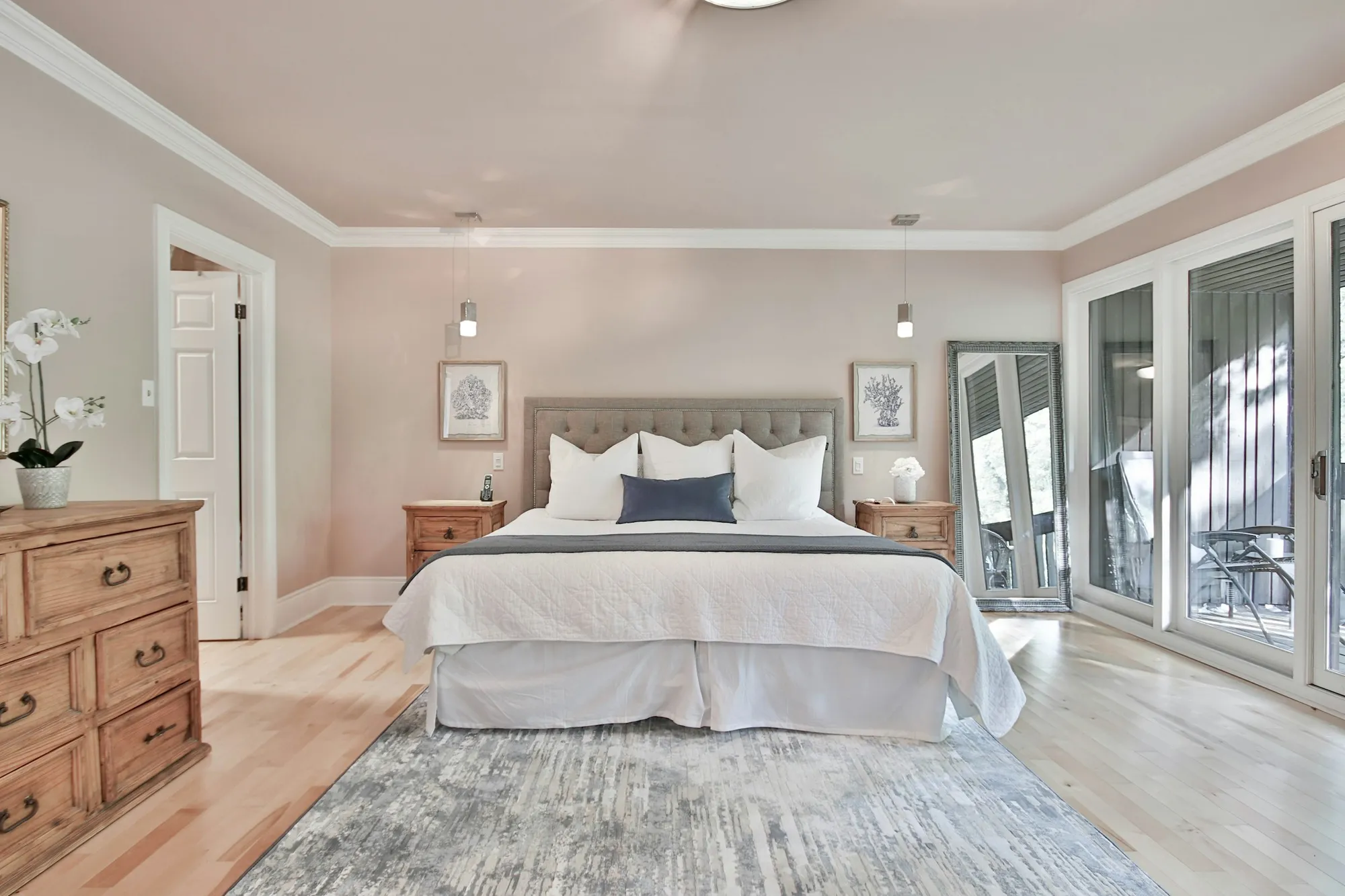
- Every bedroom — one wide each from the doorway, beds made hotel-tight; capacity claims get verified here, and a missing bedroom photo reads as a hidden problem.
- Every bathroom — clean, bright, towels staged; the most-skipped shot and the most doubt-generating absence in the gallery.
- Outdoor spaces — garden, balcony, view, staged in use (table set, chairs angled).
- The differentiators — hot tub, workspace with the speed-test screenshot, the family kit (cot up, stair gate fitted), EV charger — each one a filter-search landing.
- Care details — the welcome tray, the guide's QR frame, the log basket: three or four frames that whisper "someone runs this properly".
Twenty to thirty keepers total. Fewer under-evidences the property; fifty unedited frames bury the good ones — galleries are judged by their dullest photo, so the weakest third always gets cut.
Light: the only rule that outranks all others
Every photographic decision is downstream of light. Shoot rooms in their best natural hour — east rooms in the morning, west rooms late afternoon; one property is genuinely a two-session shoot. Golden hour owns the exterior — the warm hour before sunset (lights on inside, sky still blue) is the single most booking-positive look in rental photography. Never fight windows — blown-white windows or silhouetted rooms mean the exposure lost; shoot with windows at your side, or embrace the view as the subject exposed for the outside. Turn on every lamp, kill every overhead where you can — lamps at dusk read as warmth; overheads at noon read as a rental inspection. Grey-day shoots produce grey-day bookings; wait for the light — it's free and it doubles the gallery.
Staging: honest, styled, repeatable
Staging is truth presented at its best hour, and it photographs in a predictable checklist: beds hotel-made with plumped symmetry; every surface cleared to one or two deliberate objects; towels folded or rolled, never draped; loo lids down, bins hidden, cables invisible; fresh flowers or greenery in two frames (the cheapest professional signal there is); fire lit if you have one, whatever the season; and the "life layer" staged sparingly — the coffee pair by the window, the book on the deck chair — suggesting the stay without lying about it. Photograph your staging once and keep the frames as the turnover checklist's reference — the gallery then doubles as the standard the property returns to before every arrival, which is exactly how photos stay honest for years.
Phone technique: the five settings that matter
No equipment purchases required — five habits close most of the pro gap. Shoot horizontal at chest height — listing layouts crop landscape; knee-height wides distort furniture and doorways. Corners, not centres — shooting from a room's corner adds depth and honest scale; centre-on shots flatten. Grid on, verticals vertical — converging door frames read as amateur instantly; the grid fixes it at capture. HDR on, flash never — modern phone HDR handles rental lighting well; flash murders warmth. Edit lightly, identically — small lifts of brightness and warmth across the set, no filters, no saturation pushes: over-edited photos book stays the property can't deliver, and the arrival-versus-listing gap is paid back in review language. When to hire a pro instead: premium-priced listings, tricky spaces (small, dark, unusual), or any market where competitors' galleries are visibly professional — one shoot amortised over years of bookings is the best paid marketing most listings ever buy.
Ordering and captions: the skipped layer
Two finishing moves most hosts never make. Order tells the story — the sequence above walks arrival to detail; audit that your first five photos alone could win the booking, because for scanners they're the whole pitch. Captions convert — one line each, use-led not label-led: "morning coffee spot — sun from 8am" beats "patio"; "the bunk room the kids fight over (good way)" beats "bedroom 4". Captions are the only place photos get a voice, they carry search-relevant specifics naturally, and they're read at the exact moment of maximum attention. Fifteen minutes of caption-writing lifts an entire gallery — per hour, the best copywriting a listing gets.
The shoot plan: your property in two sessions
Turning the guide into a diary entry. Session one — the golden evening (60–90 minutes): the hour before sunset, exterior first (lights on inside, three angles of the approach), then west-facing rooms in their warm light, then the dusk hero candidates — the hot tub steaming, the fire lit, the garden table set. This session produces most cover contenders. Session two — the bright morning (60 minutes): east rooms in their light, kitchen and bathrooms (brightness reads as cleanliness), the systematic walk-the-stay sequence, and the detail frames — welcome tray, guide QR frame, the staged life layer. Between sessions: the staging checklist run once (it holds for both), and batteries, lens-wipe, grid-on checked. After: one editing evening — cull to twenty-five, light identical edits, captions written while the rooms are fresh in mind, gallery ordered, five covers into the trial queue.
Diary the two sessions a week apart in decent forecast, and the whole photographic asset — the one gating every click for the next few years — is built inside three evenings. The most common outcome of the plan is the one worth promising: hosts discover their property photographs a class above where their current gallery sits, because the gap was never the house or the camera — it was light, order and staging, which is exactly what the plan schedules.
The bottom line
Five cover candidates chosen by data, a shot list that walks the stay in order, light treated as law, staging that doubles as your turnover standard, phone technique's five habits, and the caption layer nobody else writes. It's two good-light sessions and an editing evening — against which photos gate every click and most of every conversion for years. Shoot this week's golden hour — and make the care details you photograph real: the guide in the frame is the one prop that improves the stay it advertises. If that prop doesn't exist yet, a free WelcomeFlo guide is a faster build than the photo session waiting on it.
Create your digital welcome book
Build a beautiful mobile guest guide with WelcomeFlo.