Airbnb Guest Experience: 25 Ways to Create a Five-Star Stay
25 ways to create a five-star Airbnb guest experience, organised by the moments guests actually feel — booking, arrival, the stay, departure and after.
 By Laura Bennett6 min read
Guest experience is the product — not the property. The same cottage can produce a three-star stay and a five-star one depending entirely on what surrounds it: whether arrival was smooth or stressful, whether questions found answers, whether anyone seemed to have expected these particular guests. And because experience is designed rather than lucked into, it rewards the host who works moment by moment through the stay asking one question: what does the guest feel right here, and what would make them feel more looked after?
These are the 25 moves that answer it — organised by the five moments guests actually feel, from booking to long after checkout. Treat it as the menu, and build the moves your stays are missing.
The pre-arrival moment (1–5): anticipation is part of the stay
1. Confirm like you mean it. The warm, fast booking confirmation converts booking anxiety into anticipation — the experience's true first minute.
2. Deliver the guide at booking. A digital guide arriving instantly — the house, the area, the arrival — lets guests live in the stay weeks early; the delivery rail makes it automatic.
3. Ask the questions that let you prepare. The ETA and the two pre-arrival questions — arrival time, anything that would make the stay better — turn generic readiness into their readiness.
4. Remove the arrival unknowns. Photographed directions, parking truth, entry steps delivered before travel — the pre-arrival experience is mostly anxiety-removal, and it's entirely buildable.
5. Flag the occasion. A noted anniversary or birthday, acknowledged with one line — the cheapest deposit into the stay's emotional account.
The arrival moment (6–10): the first ten minutes decide the review's tone
6. Make entry effortless. The smooth check-in experience — code that works, light that's on, path that's obvious; self check-in done properly beats a delayed handshake.
7. Stage the first impression. Lamps on timers, heating at arrival standard, the sightline from the door deliberately beautiful — the photography-guide staging, performed live.
8. Write the welcome. The letter with their names, propped where bags land — a hundred words that colour the entire week.
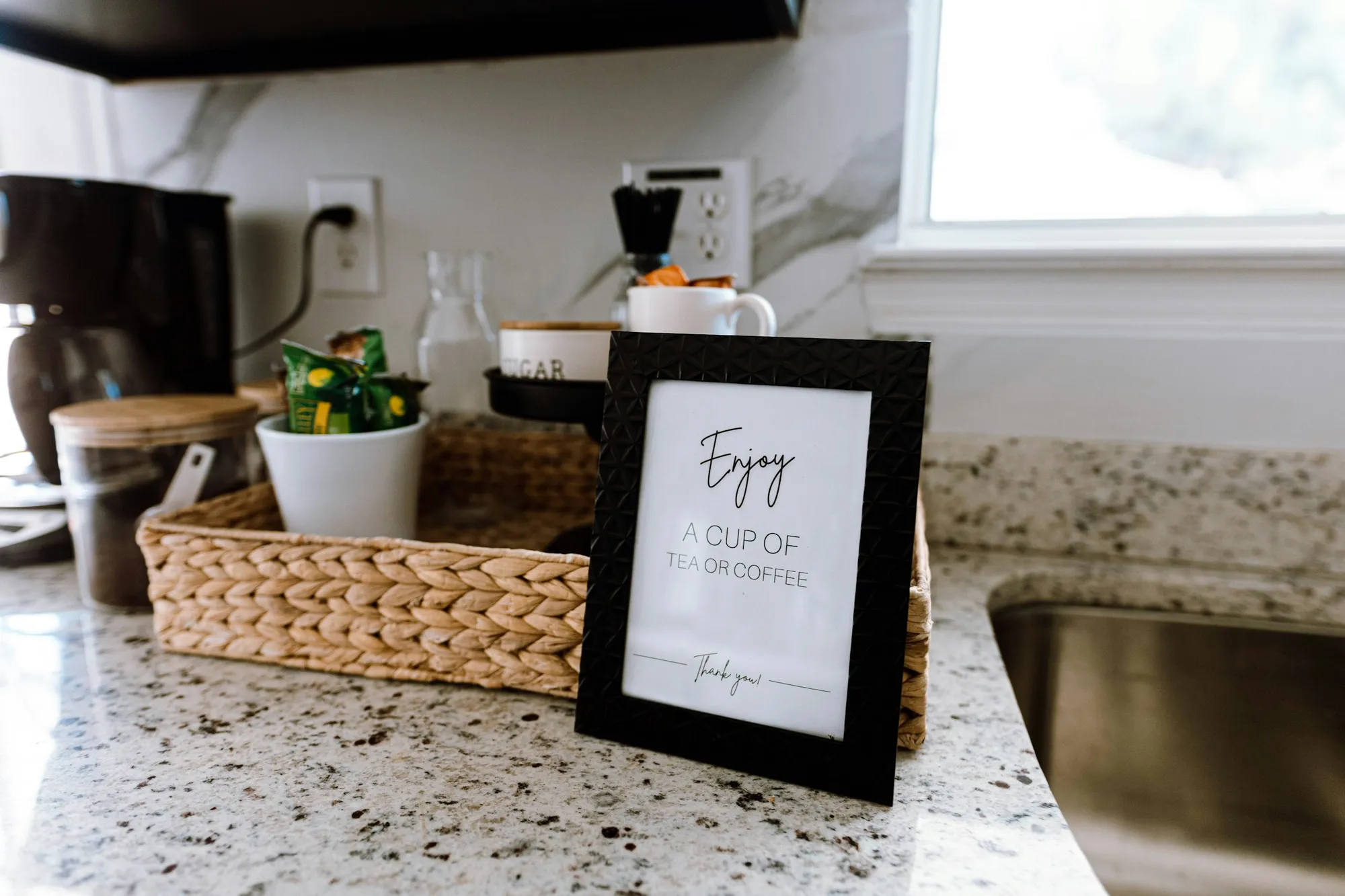
9. Feed the first hour. The welcome basket scaled to your budget — tea and good biscuits minimum, the local loaf at best; arrival hunger is real and catering it is memorable.
10. Make the essentials findable in sixty seconds. Wi-Fi tap-to-copy in the guide and QR-framed, heating explained, the first-ten-minutes block doing its job.
The stay itself (11–17): reliability plus one memory
11. Answer before they ask. The guide that absorbs the forty questions — hosting's single biggest experience upgrade, because self-service at 11pm is great service. A guide with Ask Flo built in goes one step further: guests can ask their own question in their own words and get an answer pulled straight from your content.
12. Equip like you live there. The essentials never missing, the amenities your segment actually wants — sharp knives, good pillows, the corkscrew that exists.
13. Explain the temperamental. Every appliance with a quirk gets its photographed entry — confusion is the quietest experience-killer in hosting.
14. Curate the area like a friend. Local recommendations with insider lines — the twelve defended places, not forty names — because the stay extends beyond your walls.
15. Check in once, lightly. The mid-stay message on longer stays — problems surfaced while fixable are reviews saved.
16. Fix things at sprint speed. The ten-minute acknowledgement and fast resolution — a handled problem often outscores a problem-free stay.
17. Add your signature. The one repeatable touch guests reliably mention — the fresh loaf, the record crate, the tide-times card.
The departure moment (18–20): last impressions are review impressions
18. Keep checkout human. Three tasks maximum, time stated warmly — the stay's final chapter shouldn't feel like a shift ending.
19. Grant the grace notes. The unhurried bag-drop, the late checkout when the calendar allows — generosity at departure is disproportionately remembered.
20. Say a real goodbye. The thank-you that reads like a person — gratitude first, review ask second.
After the stay (21–25): the experience that continues
21. Review them first, fast. The 24-hour host review — closure, reciprocity, and the strongest review trigger there is.
22. Remember what they loved. Stay notes — thirty seconds that make next year's welcome feel like memory.
23. Keep the door visibly open. The returning-guest privileges — first-pick access, the welcome-back register.
24. Let them stay connected. The consent-based list and its two-to-six honest notes a year.
25. Close every loop. Lost property posted promptly, the review responded to warmly, the promised photo of the dog sent — completeness is the experience's final signature.
The system underneath the 25
Read the list again and a pattern surfaces: almost nothing on it is expensive, and almost everything is a system — built once, running every stay. That's the real insight of guest experience: five-star stays aren't heroic performances; they're the automated rails (messages, guide, checklists) freeing human attention for the dozen genuinely human moments (the letter, the fix, the grace notes). Hosts who try to be personally wonderful at everything burn out into inconsistency — and inconsistency is what three-star reviews are made of.
A five-star stay, assembled: the 25 in motion
Watch one composite booking run the list. At booking, moves 1–2 land within the hour — the warm confirmation, the guide browsed that evening (a restaurant gets booked from move 14's list before the guests have packed). Three days out, moves 3–4 fire: the ETA question returns "about 5pm", the arrival preview gets its second read, and the flagged anniversary (move 5) goes into the notes. Arrival day: the turnover lands moves 6–10 as choreography — heating tracking the ETA, lamps on at four, the letter with their names beside the basket, the code working first time at 5:07. They never message once all week: move 11's guide answers the hob, the tide times and the bin day invisibly, move 13's entry tames the shower's temper, and the anniversary dinner (move 14's harbour-table tip, move 17's chilled bottle) becomes the stay's set-piece evening. One wobble — the Wi-Fi drops Thursday morning — meets move 16: acknowledged in four minutes, router restarted remotely, a "back up — sorry about that!" before the kettle's boiled. Departure runs moves 18–20: three tasks, the bags-until-four bridge for a last beach hour, the real goodbye. And the aftermath runs itself: the 24-hour review, the notes ("anniversary couple, loved Vela, the window seat"), the list joined via the guide, the review arriving Wednesday — "the most looked-after we've ever felt" — which is twenty-five small systems being experienced as one feeling.
Nothing in the week required the host's presence or improvisation; everything required the builds. That's the pillar's whole argument in one stay: five stars is what a complete system feels like from the inside.
The bottom line
Five moments, twenty-five moves, one pattern: systems for reliability, humanity for memory, nothing heroic anywhere. Build the moves your reviews say you're missing, run them on rails, and the five-star stay stops being an aspiration and becomes your default output. Start with the move that powers a dozen others: the free guide, answering and welcoming before you're even awake — and let the next review tell you which move to build after that.
Create your digital welcome book
Build a beautiful mobile guest guide with WelcomeFlo.